Best Wash cleans commercial kitchen exhaust systems to NFPA 96 standards, top to bottom. Every filter, every foot of ductwork, the hood itself, inside and out. We’ve been doing this work across Central PA since 2007.
Most restaurant hood cleaning problems don’t show up where anyone’s looking. They show up in the trunk, the ductwork running from the hood up through the roof. Grease collects there, out of sight and out of reach during a routine wipe-down.
Best Wash cleans that section every time. Not just the parts a quick pass can reach. If the estimate didn’t account for what’s built up in there, the price still holds. You don’t get billed more because the job turned out bigger than it looked from the ground.
A clean system ventilates better, which means a cooler kitchen in summer. It also means the exhaust fan motor isn’t fighting grease buildup to do its job. It lasts longer.
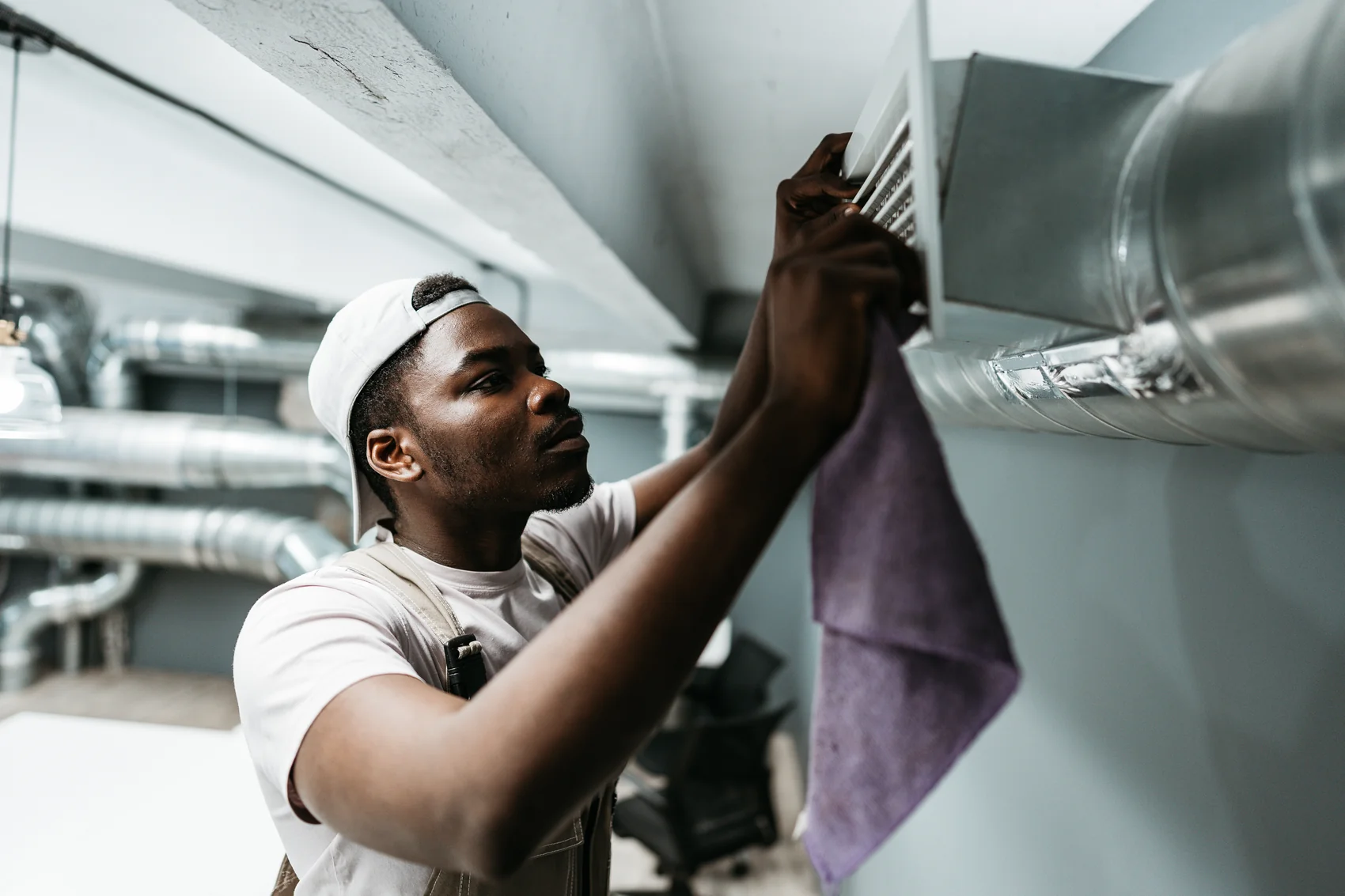
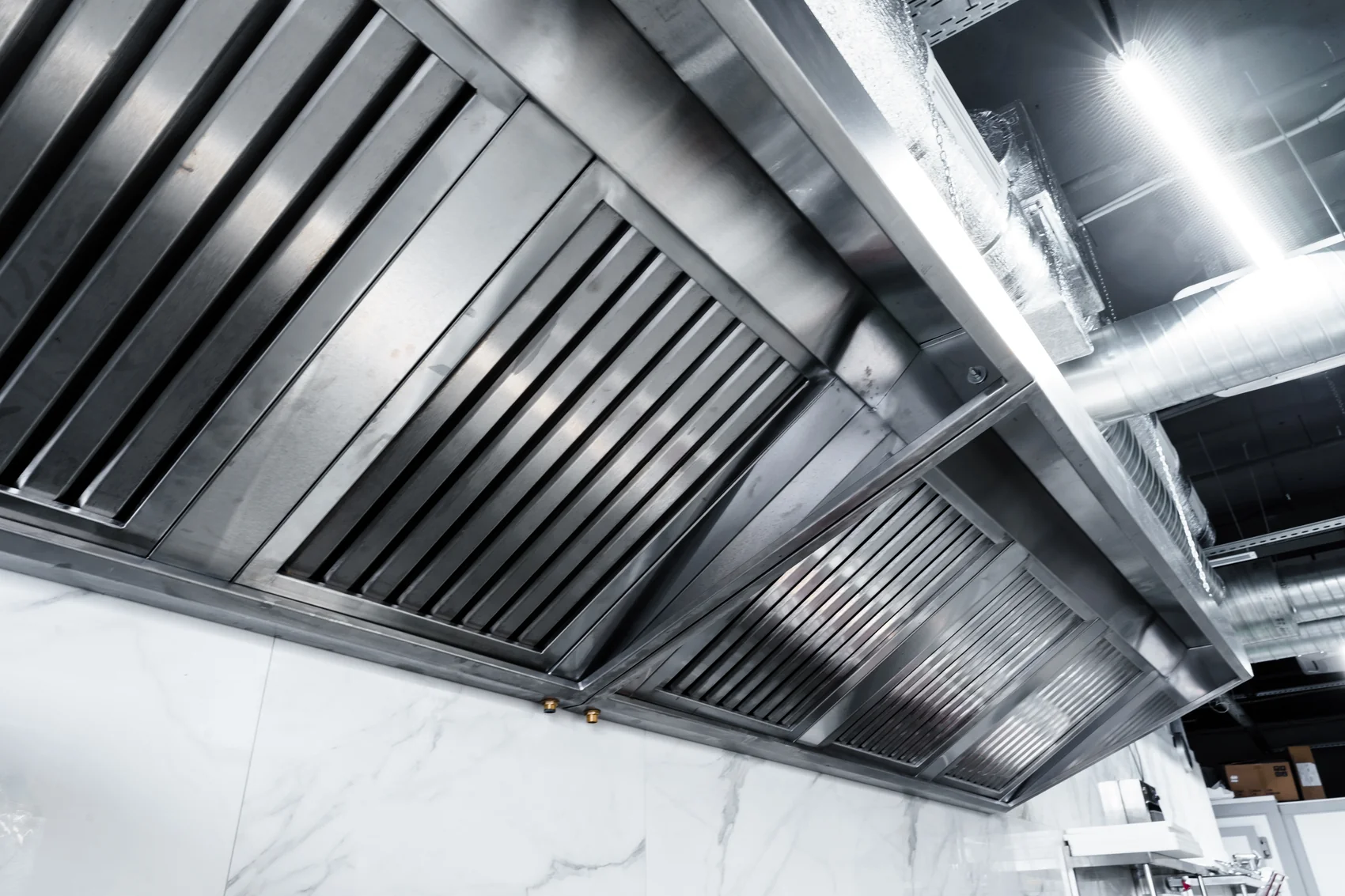
Standard hood cleaning includes:
Every visit, every time.
Pulling equipment out to clean behind or underneath it is a separate service, scoped and priced on its own.
A wipe-down that only touches the visible parts of a hood can look clean and still leave the ductwork untouched. That’s where fire risk lives. It’s also why a compliance sticker can’t legally go on a system that hasn’t had the full clean behind it.
A lower quote from another company often means a short job: filters and visible surfaces done, ductwork left alone. Best Wash’s price reflects the entire system, which is what’s required before a compliance sticker can be applied.
Every completed service gets a dated sticker on the hood, showing the cleaning date and the next one due. You also get a printable certificate with:
Your invoice lists both dates too.
NFPA 96 sets the interval based on how the kitchen operates:
Pennsylvania’s baseline requirement is every six months, which covers most restaurants. Kitchens running a lot of grease through daily cooking often need service more often than that baseline suggests. For more on how kitchen volume and hours affect your interval, see our guide on commercial kitchen hood cleaning frequency.
The crew pulls the filters first and sets them to soak. The hood gets tarped to protect the kitchen below it. Then the work moves to the roof: the system gets sprayed down from the top, wastewater collected as it goes so nothing runs back through the kitchen. Everything gets hand-dried, and stainless steel surfaces get polished. Older galvanized hoods are cleaned and dried without the polish. The finish can’t take it.
Before a visit gets scheduled, Best Wash checks your open and close hours and your prep schedule, and builds the appointment around them. The goal is a visit that doesn’t interrupt a kitchen trying to run its normal day.
The two questions on nearly every initial call. Pricing depends on your kitchen’s size and setup. Scheduling depends on what your kitchen needs, but Best Wash can typically move quickly, including for last-minute requests tied to an upcoming inspection.
Depends on how your kitchen operates, not a single fixed number. See the frequency breakdown above.